

Analytical Application: Determination of cadmium, cobalt, copper, iron, and nickel in liquid samples such as zinc chloride using the ICP-7762 Inductively Coupled Plasma Optical Emission Spectrometer
Release Date :2026-11-23

Zinc chloride is a fundamental chemical raw material with a wide range of applications. It is essential in the production of battery electrolytes, electroplating solutions, fluxes, and catalyst formulations, among other applications; the quality of zinc chloride directly affects the performance and stability of downstream products. Taking the battery industry as an example, impurities such as transition metals—including iron, nickel, cobalt, and copper—in the electrolyte can accelerate zinc corrosion and self-discharge, significantly shortening the battery's storage life. Cadmium, meanwhile, is a hazardous heavy metal that requires strict control: its concentration directly determines whether the product meets the specifications for the relevant grade. The matrix of liquid samples such as zinc chloride is itself a high-concentration salt solution, while the concentrations of the five impurity elements being analyzed are often very low. Using the conventional atomic absorption method to measure each element sequentially is not only time-consuming but also yields unsatisfactory measurement stability at low concentration levels. Therefore, developing a method that allows cadmium, cobalt, copper, iron, and nickel to be determined simultaneously in a single injection would have practical significance for manufacturers in terms of raw-material acceptance, process control, and product grading
| Application Field : | Release Date :2026-11-23 |
| Test Sample : | Test Parameters :Petrochemicals |
| Page Views :次 | Downloads : |
| Reference Standards : |
Configuration
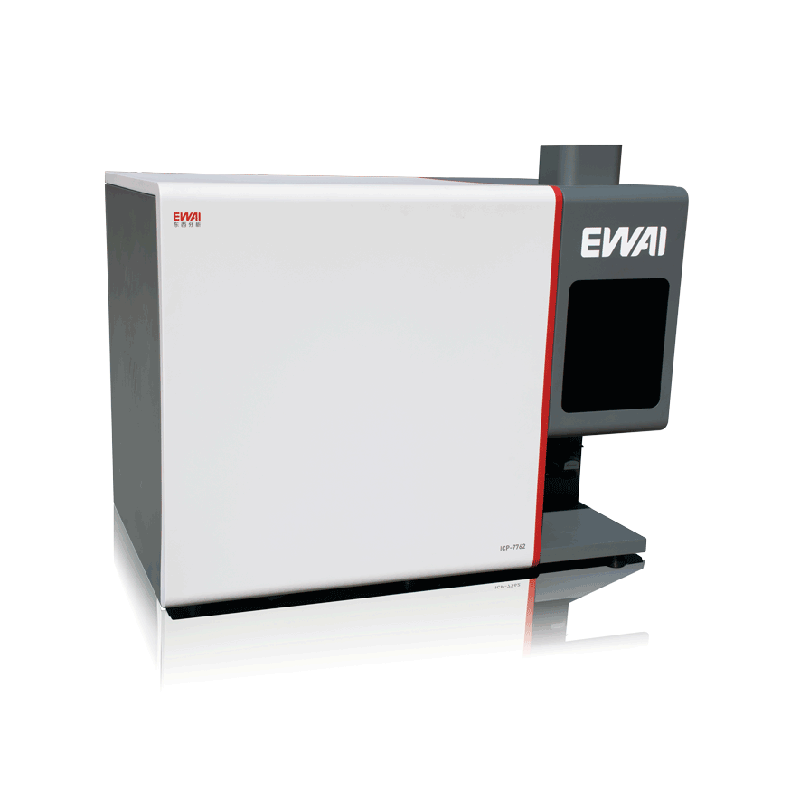
ICP-7762 Inductively Coupled Plasma Optical Emission Spectrometer
Model No.
:
|
Brand:
Download Solution :
Analytical Application: Determination of cadmium, cobalt, copper, iron, and nickel in liquid samples such as zinc chloride using the ICP-7762 Inductively Coupled Plasma Optical Emission Spectrometer
Online Preview
 Download Files